Understanding the Lifespan of Different Roofing Systems Mar 12, 2026
When it comes to selecting a roofing system, the longevity of materials is a top consideration. The lifespan of a roof largely depends on the type of material used, the quality of installation, and the local climate. Each type of roofing material offers unique benefits and serves various needs. Let's delve into the details of some popular roofing systems and their potential lifespans.
Asphalt shingles are among the most common roofing materials, appreciated for their affordability and ease of installation. Generally, asphalt shingle roofs last between 15 to 30 years. Variables such as weather conditions and the quality of the shingles can impact this range significantly. For instance, while regular exposure to harsh sunlight may shorten their lifespan, high-quality shingles can withstand wear and tear for a longer period.
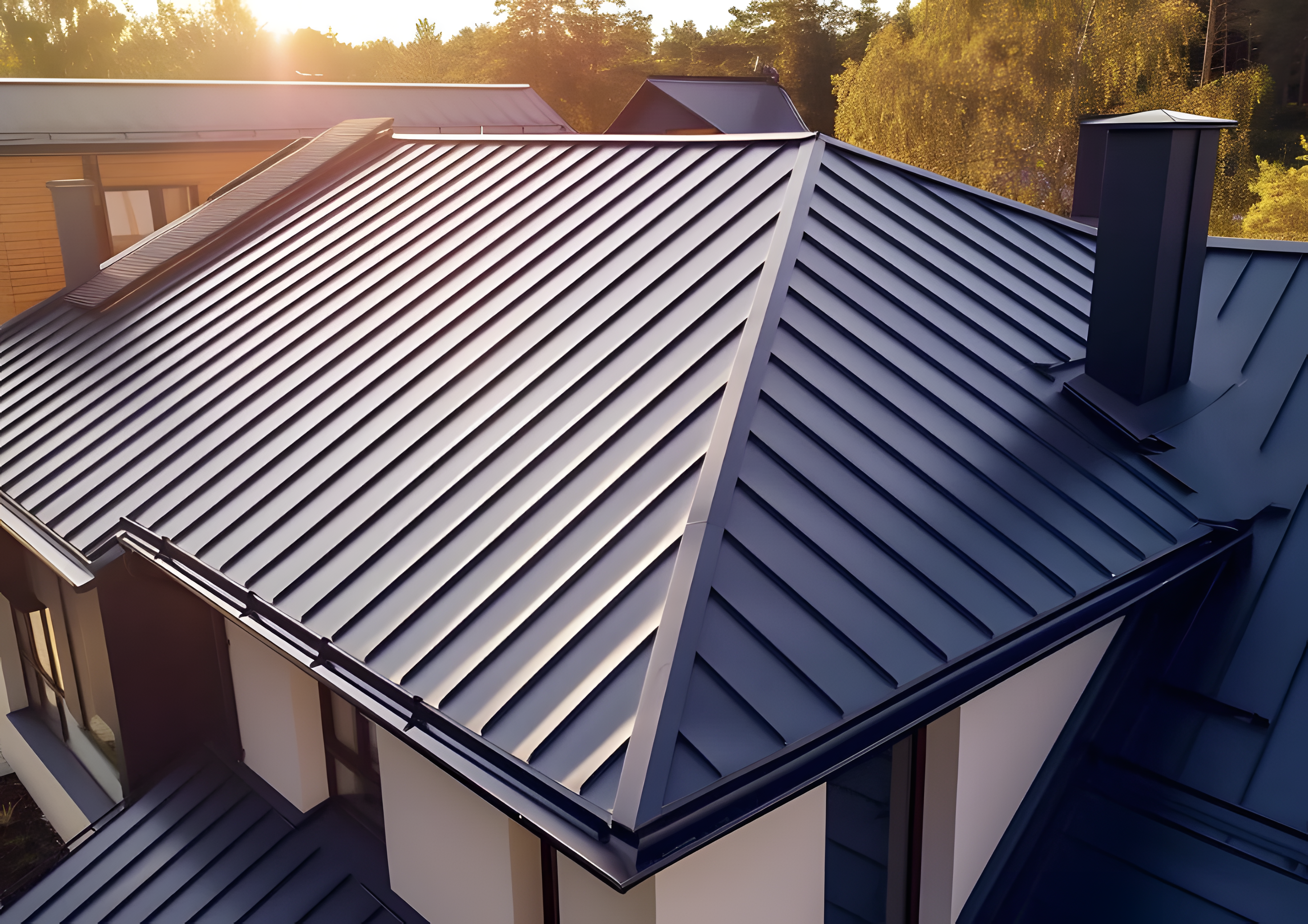
Metal roofing is gaining popularity due to its durability and resistance to extreme weather conditions. Commonly made of aluminum, steel, or copper, these roofs can last between 40 to 70 years. Metal roofing systems are excellent in shedding heavy snow, reflecting harmful UV rays, and resisting strong winds, making them a highly efficient choice in diverse climates.
Another durable option is tile roofing, composed of either clay or concrete tiles. These roofs not only provide a classic aesthetic appeal but also offer longevity that can span from 50 to over 100 years. Because of their weight, tile roofs require strong structural support and are ideally suited for areas prone to heat exposure. Their durability makes them a long-term investment for homeowners looking for enduring solutions.
Slate roofing offers an unmatched lifespan, with some roofs lasting over 150 years. This natural stone roofing option is renowned for its outstanding durability and resistance to fire and extreme weather. While it is one of the more expensive options, its longevity and minimal maintenance needs often justify the initial investment for many homeowners.
Wood shingles and shakes provide a unique and rustic appearance but are typically on the lower end of the lifespan spectrum. On average, these roofs last between 20 to 40 years, contingent upon proper maintenance and local weather conditions. Frequent inspections and maintenance are imperative to prevent issues like rot or insect damage.
When choosing a roofing material, it's important to consider not only the initial installation cost but also the long-term benefits, maintenance needs, and potential lifespan. Consulting with roofing professionals, like those at Bethke Roofing, can provide valuable insights tailored to your specific needs and the local climate.
In conclusion, understanding the different lifespans of roofing systems helps in making informed choices and planning for the future. Whether opting for the affordability of asphalt shingles or the timeless endurance of slate roofs, each material comes with distinct advantages. Ensuring quality installation and regular maintenance will further maximize the lifespan of your roof. Reach out to Bethke Roofing today for expert advice and tailor-made roofing solutions that best fit your property’s requirements.
/filters:no_upscale()/filters:format(webp)/media/a1118cc9-a3f3-4baf-a77e-698908cbbd29.jpeg)