The Evolution of Roofing Materials: From Tradition to Innovation Jul 08, 2026
Dating back to ancient times, roofing was initially constructed using readily available natural resources. Thatch roofs, comprised of dried vegetation such as straw or reed, were common in many parts of the world due to their abundance and insulating properties. Clay tiles also have a long history, especially in warmer climates, thanks to their durability and excellent heat-deflection abilities. These materials served societies well for centuries, seemingly simple yet highly effective in providing shelter.
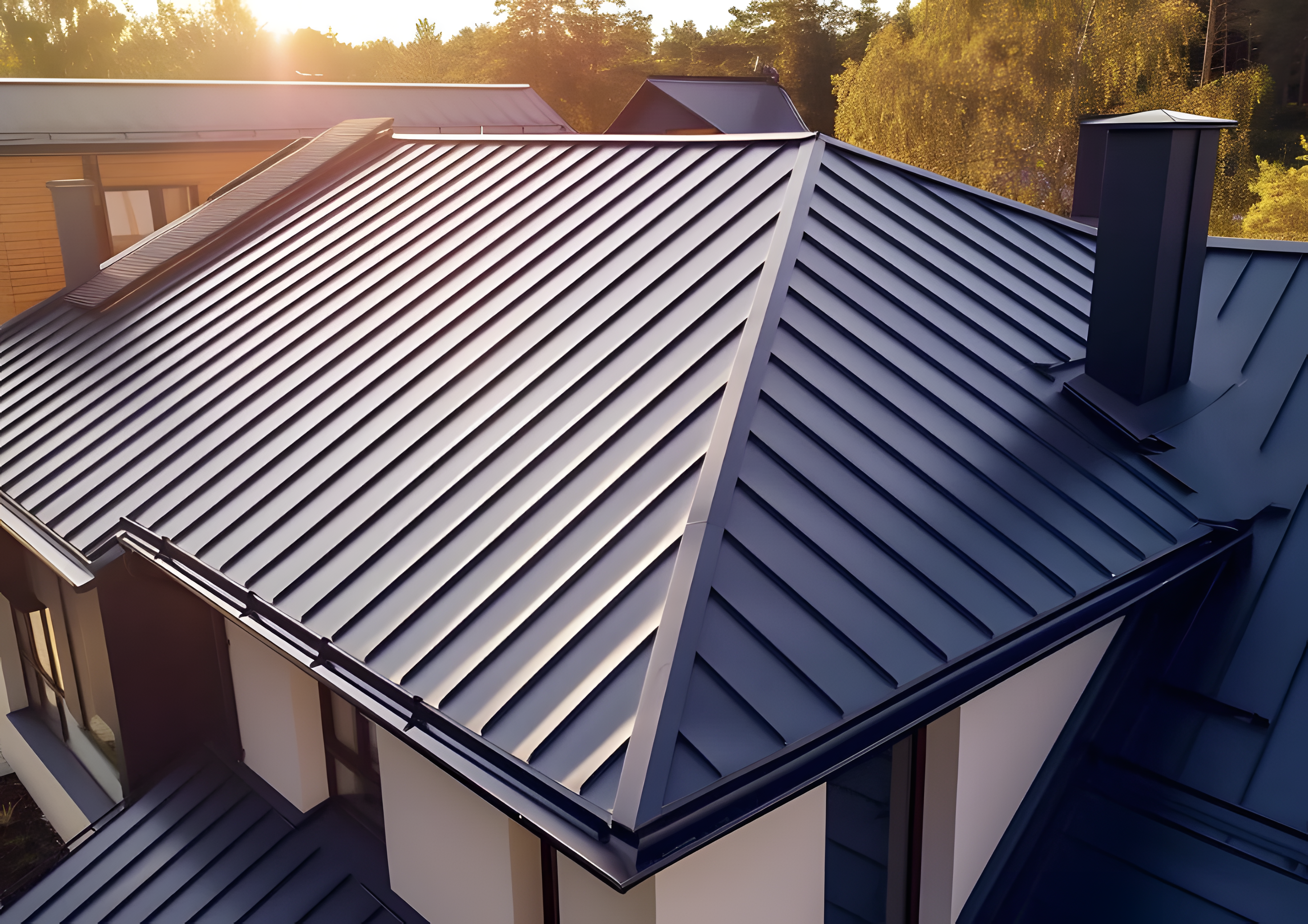
Transitioning to the medieval and early modern periods, slate roofs became popular in Europe, recognized for their sturdiness and ability to withstand the elements. Alongside slate, wooden shakes and shingles were widely favored for their rustic aesthetic and ease of sourcing. As industry advanced during the Industrial Revolution, the development of metal roofing—typically tin, lead, and copper—set the stage for more extensive architectural possibilities and greater longevity.
As we moved into the 20th century, a significant change occurred with the introduction of asphalt shingles. This new material quickly became a staple, thanks to its cost-effectiveness, ease of installation, and ability to mimic more expensive materials like tile or slate. Asphalt shingles remain widely used today, continually benefiting from technological enhancements that improve lifespan and efficiency.
One of the most significant advancements in modern roofing has been the development of sustainable materials. With growing concerns over environmental impact, green roofing solutions such as solar panels and cool roofs have gained traction. Homeowners are increasingly installing green roofs, which include vegetation layers, to manage rainwater, reduce energy costs, and support biodiversity. The solar roofing market is thriving, driven by innovations that seamlessly integrate photovoltaic cells directly into roofing materials—creating energy-producing surfaces that are as functional as they are efficient.
Moreover, synthetic roofing materials like rubber and plastic composites are being designed to replicate more traditional looks while offering enhanced durability and lower maintenance. While these innovations seem continually new, they build upon the rich history of roofing materials by enhancing old designs with new technologies.
For customers of Bethke Roofing and homeowners exploring roofing options, understanding the history and evolution of roofing materials can help make confident, informed choices. Recognizing the strengths and limitations of various materials allows for selecting the right match for climate conditions, budget constraints, and aesthetic preferences.
In conclusion, the evolution of roofing materials encapsulates a blend of tradition and innovation. As new materials are developed and traditional ones enhanced, roofing not only continues to provide essential protection but also offers opportunities for aesthetic expression and environmental responsibility. Whether opting for a classic asphalt shingle or a cutting-edge green roof, the advances in roofing technology ensure there are ideal options for every need and preference. By staying informed about these advancements, you can make choices that best serve your home, your community, and the planet.
/filters:no_upscale()/filters:format(webp)/media/a1118cc9-a3f3-4baf-a77e-698908cbbd29.jpeg)