How to Enhance Your Home's Energy Efficiency with the Right Roof Jun 15, 2026
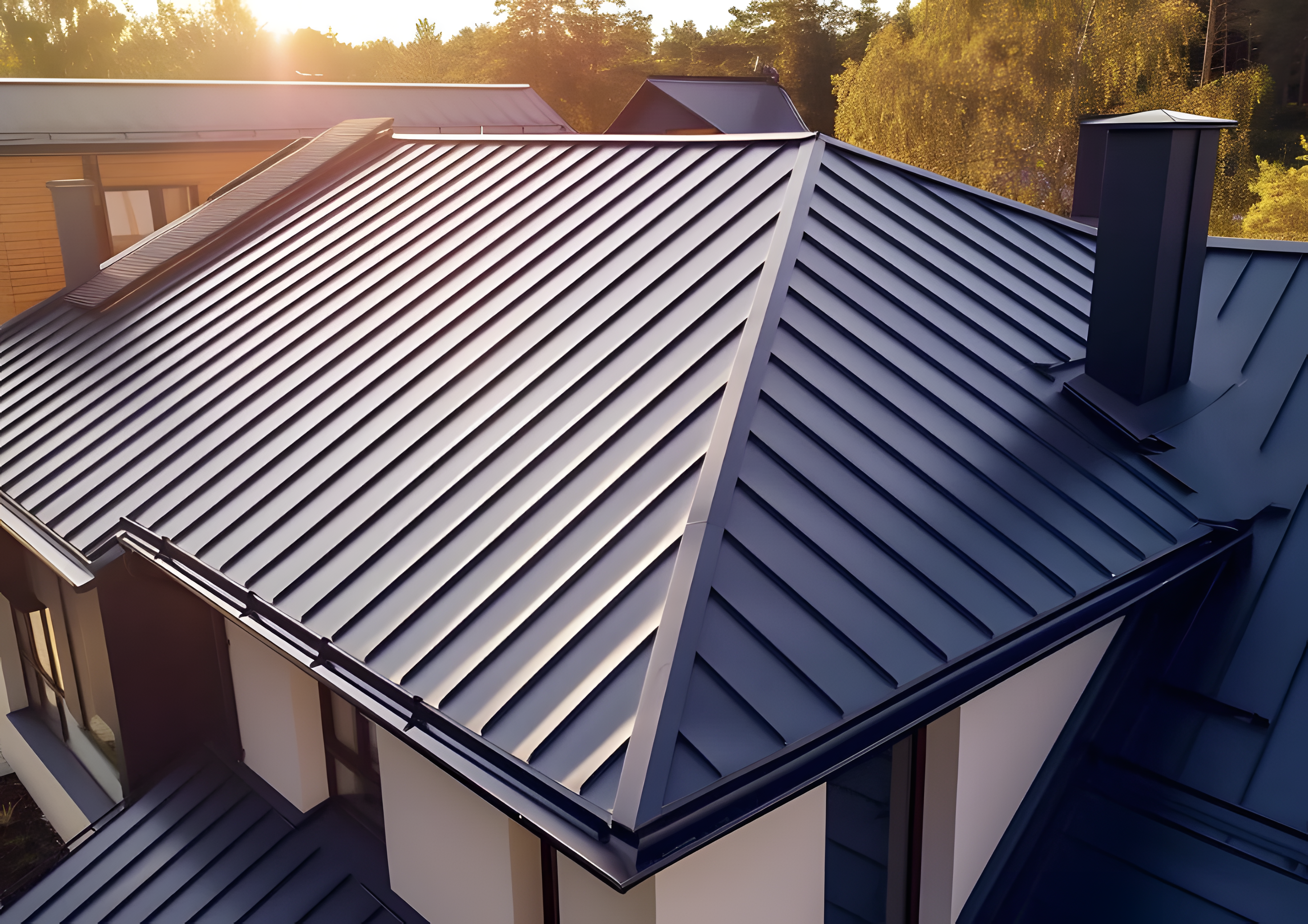
Firstly, it's essential to consider the material of your roof. Different roofing materials have varying abilities to reflect sunlight and emit absorbed heat. For example, metal roofing is known for its reflective properties, making it a popular choice for improving energy efficiency. Similarly, tiles made from clay or concrete can also help, especially if they are treated with a reflective coating. These materials work by bouncing more sunlight away from your home, which can lower the need for air conditioning on hot days.
The color of your roof also plays a critical role. In general, lighter-colored roofs are more reflective than darker ones. This means that a lighter roof can help reduce the heat absorbed, thus keeping your home cooler in the sunnier months. However, if you live in a colder climate, a darker roof might be beneficial as it can absorb and retain heat, reducing heating needs during the winter. At Bethke Roofing, we can help you find the right balance based on your specific climate needs.
Another aspect to consider is the insulation beneath your roof. Proper insulation acts as a barrier, keeping heat inside during the winter and outside during the summer. Without adequate insulation, even the best roofing materials can fall short of their potential. We often recommend using a combination of radiant barriers and traditional insulation to create more efficient thermal resistance. This approach not only helps in cutting down your energy bills but also makes your home more comfortable year-round.
Ventilation is another critical factor in enhancing energy efficiency. Incorrect or inadequate ventilation can lead to heat buildup in your attic, forcing your air conditioner to work harder. Well-designed roof ventilation systems allow hot air to escape and fresh air to circulate, maintaining a balanced indoor climate. Our team at Bethke Roofing can assess your current roof's ventilation system and suggest improvements that align with best practices for energy efficiency.
Finally, consider installing a green roof if you're committed to sustainability. These roofs are covered with vegetation, helping to improve insulation and reducing heat absorption. Not only do they contribute to lowering energy costs, but they also have environmental benefits such as improving air quality and enhancing biodiversity. While a green roof might not be feasible for every home, those who can invest in one will find them an excellent choice for boosting energy efficiency.
In conclusion, the right roof can significantly enhance your home's energy efficiency, reducing costs and minimizing environmental impact. Whether you're considering a new roof installation or upgrading your existing one, understanding the interplay between materials, color, insulation, and ventilation is crucial. At Bethke Roofing, we specialize in tailoring roofing solutions that maximize energy efficiency while meeting your aesthetic and budgetary needs. Contact us today to explore how we can help you make your home more energy-efficient with the right roofing solutions.
/filters:no_upscale()/filters:format(webp)/media/a1118cc9-a3f3-4baf-a77e-698908cbbd29.jpeg)